
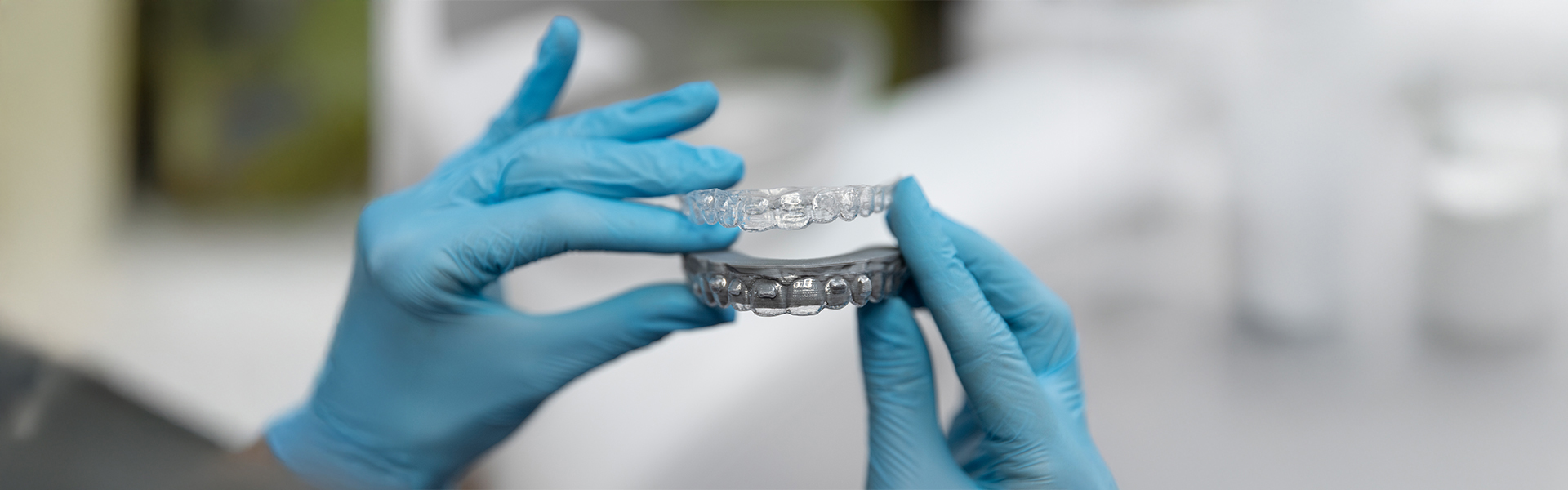
How Long Does Invisalign Take? Your Full Timeline
Invisalign straightens teeth with a series of removable, custom trays that gently move your bite in small steps. If you’re considering Invisalign in Midtown, you likely want a simple answer: how long will it take? Most adults finish in months, not years, but timing varies by each person’s bite and goals. Below, you’ll see how Invisalign works, average timelines, the step-by-step process, and what to expect during and after treatment.
Essential Facts: Your Invisalign Timeline
- Average time: 6–18 months for many adults
- Mild spacing/crowding: often 6–9 months
- Moderate cases: commonly 12–15 months
- Complex bites: may require 18+ months or added procedures
- Daily wear: 20–22 hours for best results
- Check-ins: every 6–10 weeks, on average
How Invisalign Works And What It Does
Invisalign uses a digital scan to map tooth movement from start to finish. Each tray is worn for one to two weeks and places light, targeted pressure to guide teeth. Small, tooth-colored “attachments” may be added to help specific movements. The system is designed to correct crowding, gaps, mild overbites, underbites, and crossbites. It can also improve cleaning access and reduce uneven wear by aligning the bite.
Average Invisalign Treatment Time
Most adults finish in 6–18 months. Simple alignment often lands near the lower end. Bite changes or rotated teeth can extend timing. Your dentist will estimate a range after reviewing scans and your bite. Many patients in Midtown appreciate that you can see a predicted timeline in the 3D plan before you begin.
Step-By-Step Treatment Timeline
- Consult & Scan (Week 0): Records, photos, and a 3D scan. You’ll review goals and get an initial time estimate.
- Treatment Plan (Weeks 1–3): Your dentist finalizes movement stages; trays are fabricated.
- Tray Delivery (Week 3–5): First sets are placed. Attachments or slender tooth shaping (if needed) are done.
- Active Wear (Months 1–6+): Change trays as directed, usually every 1–2 weeks. Short check-ins confirm progress.
- Mid-Course Checks (Months 3–9): Adjust wear schedule if needed. Some plans include “power” trays for refined movements.
- Refinements (If Needed): Extra trays fine-tune details like small rotations or bite settling.
- Finishing & Retainers: At the end, you’ll wear retainers to hold your new alignment.
Factors That Affect How Long Invisalign Takes
- Case Complexity: Crowding, rotations, or bite corrections add time.
- Tray Wear Time: Less than 20–22 hours a day can slow progress.
- Biology & Tooth Response: Teeth move at slightly different rates for each person.
- Attachment Use: Properly placed and kept clean, attachments guide tougher movements.
- Oral Habits: Smoking, frequent tray removal, or grinding may impact efficiency.
- Check-In Consistency: Regular visits catch issues early and keep you on track.
What To Expect During And After Treatment
- Day-to-Day Feel: Mild pressure or tenderness for a day or two after switching trays is common. Speech may feel different briefly, then normalizes.
- Eating & Cleaning: Remove trays to eat and brush. Clean trays with a soft brush and cool water.
- Oral Health: Straight teeth are simpler to clean, supporting better gum wellness.
- Cost & Insurance: Fees vary by complexity and region; many plans offer monthly financing. Ask your dentist in Midtown, GA about typical ranges and what your benefits may cover.
- After Care: Retainers are essential to keep your results stable. Your dentist will explain the appropriate nightly duration for wearing them.
When to Seek Care from a Dentist
Book a visit if you’re curious about candidacy or if you notice:
-
- Trays not fitting or large gaps between the tray and teeth
- Persistent rubbing or sores that don’t improve
- A broken attachment or cracked tray
- New jaw discomfort or bite changes that feel uneven
Questions about elastics, refinements, or retainer wear
FAQs
Can Invisalign fix crowded or gapped teeth, and does that change the timeline?
Yes. Mild spacing or crowding often finishes sooner, while rotated teeth or bite changes can take longer. Your dentist will estimate timing after a 3D scan.
What happens if I lose or crack a tray?
Call your dentist. You may step back to the previous tray or move ahead to the next one, depending on fit; this usually prevents delays.
Can I drink coffee or tea with the trays in?
Stick to plain water only. Hot or colored drinks can stain or warp trays and may slow progress if you remove them too often.
How often are check-ins, and can they be virtual?
isits are typically every 6–10 weeks. Many offices offer virtual photo check-ins between appointments to monitor progress without falling behind.
How much does Invisalign usually cost in Midtown, GA?
Fees vary by case complexity and number of trays. Many patients use insurance benefits or monthly financing; your dentist can review a local estimate after your scan.
Final Thoughts
Invisalign can be an efficient, low-profile way to align your smile, with many adults finishing in months. The best way to predict your timing is a scan, a thorough bite review, and a personalized plan. If you’re looking for a comfortable, informative consultation in the neighbourhood, Dentistry for Midtown can review your options and outline a timeline that works for your routine.